Pokemon TCG Market Sees 40% Surge as Trading Card Investment Diversifies
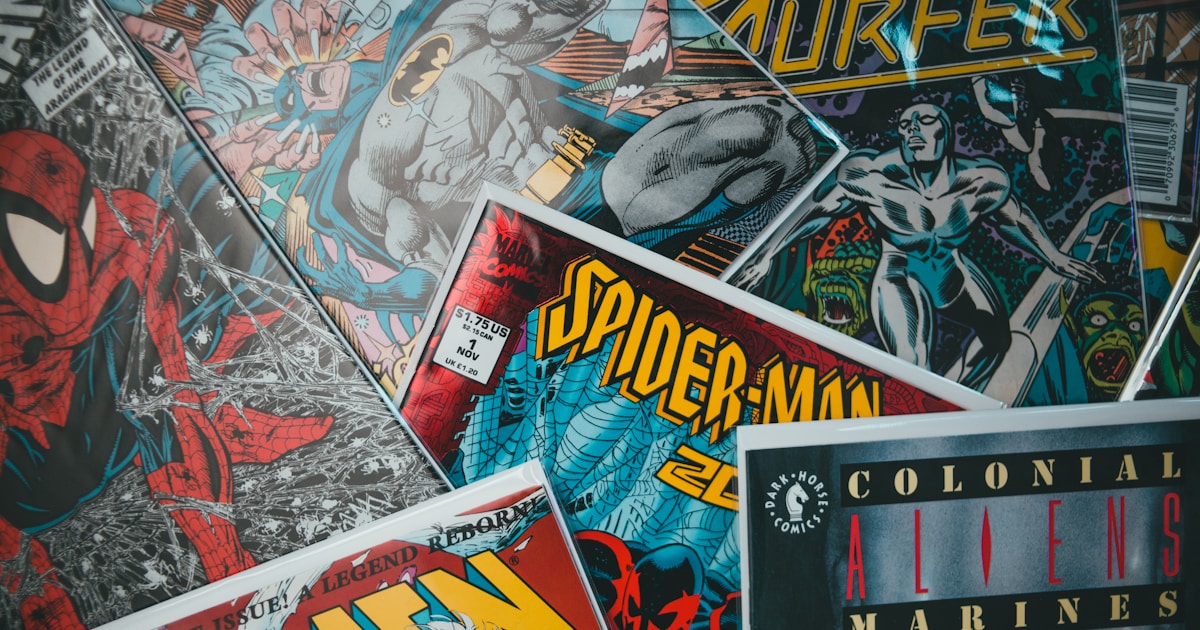
The trading card game market is experiencing unprecedented growth, with Pokemon TCG sales volume up 40% year-over-year according to data from PSA, eBay, and TCGplayer. The surge signals a fundamental shift in collectible card investing, as traditional comic collectors diversify into trading card games and new investors enter the hobby through nostalgic connections to 90s Pokemon.
The Numbers
First quarter 2026 data reveals explosive growth across the TCG sector:
- Total PSA Grading Volume: 2.1 million TCG cards (up 47% from Q1 2025)
- Pokemon Share: 68% of all TCG grading volume
- Average Sale Price: $340 per PSA 10 Pokemon card (up 22%)
- Vintage Cards (1996-2003): 89% of dollar volume despite being 12% of volume
"Pokemon is doing what comics did five years ago," says market analyst Gary Hailey. "It's transitioning from a nostalgic hobby to a legitimate alternative investment vehicle."
Record-Breaking Sales
Several high-profile sales have dominated headlines:
- Charizard 1st Edition (Base Set, PSA 10): $420,000 (Heritage Auctions, March 2026)
- Pikachu Illustrator (PSA 9): $285,000 (Goldin Auctions, February 2026)
- Blastoise 1st Edition (Base Set, PSA 10): $95,000 (Private sale, January 2026)
- Mewtwo Star (Japanese, PSA 10): $68,000 (eBay auction, March 2026)
The Charizard sale represents a new record for the iconic card, surpassing the previous record of $369,000 set in 2021. The buyer, a private collector represented by a Singapore-based investment firm, cited "portfolio diversification" as the primary motivation.
What's Driving the Surge?
Several factors are converging to drive Pokemon card values:
Nostalgic Millennials: Collectors who grew up with Pokemon Red/Blue in the late 90s now have disposable income. The average age of high-end Pokemon buyers has increased from 24 to 34 in just three years.
Crossover from Comics: Traditional comic collectors, priced out of Golden Age keys, are bringing their grading knowledge and investment mindset to Pokemon. CGC's entry into card grading (through their acquisition of CCS) has lent additional legitimacy.
International Growth: Asian markets, particularly Japan and Singapore, are driving significant demand. Japanese-exclusive cards that were previously ignored by Western collectors are now commanding premiums.
Content Expansion: The Pokemon franchise continues to expand through games, the animated series, and merchandise, keeping the brand culturally relevant for new generations.
The Grading Landscape
PSA remains the dominant grading service for Pokemon, handling 78% of all submissions. However, competition is increasing:
- BGS (Beckett): Gaining market share with their sub-grade system that appeals to perfectionists
- CGC: New entrant leveraging their comic grading reputation
- ARSM: Japanese grading service seeing increased international submissions
"PSA 10 population reports are the new census data," explains dealer Marcus Chen. "When only 200 PSA 10 copies exist of a card printed in 1999, you understand why prices get crazy."
Risks and Considerations
Before jumping into Pokemon investing, collectors should understand the risks:
- Reprints: The Pokemon Company has reprinted popular sets, potentially affecting values of original printings
- Modern Saturation: Current sets are printed in vastly higher quantities than vintage cards
- Condition Sensitivity: PSA 10 vs PSA 9 can mean 10x price differences
- Authentication: Counterfeits are increasingly sophisticated; grading is essential for high-value purchases
Comic Collectors: What to Watch
For comic collectors considering TCG diversification, these vintage Pokemon sets offer the strongest historical parallels to key comic issues:
- Base Set (1999): The Action Comics #1 of Pokemon—first edition boxes command $15,000+
- Jungle/Fossil (1999-2000): Early expansion sets with iconic artwork
- Team Rocket (2000): First "dark" Pokemon, culturally significant
- Neo Genesis (2000): Introduced Baby Pokemon and Light types
The Pokemon TCG market shows no signs of slowing. For collectors willing to learn a new collectible category, the parallels to comic investing are clear—scarcity plus cultural significance plus condition equals value.
CGT News Team
Contributing writer for ComicGeek Trade, covering the latest news and trends in comics and collectibles.